
4 hr
Blue Cave & Sunj Beach Boat Tour with Drinks
Discover the stunning Elaphiti Islands by speedboat, exploring sea caves and relaxing on pristine beaches
Reserve
Hand-picked by our editors — only the best 5 experiences from 24 reviewed
Verified partners for every tour, free cancellation where available, and instant confirmation on every booking.
4 hr
Discover the stunning Elaphiti Islands by speedboat, exploring sea caves and relaxing on pristine beaches
Reserve
2 hr
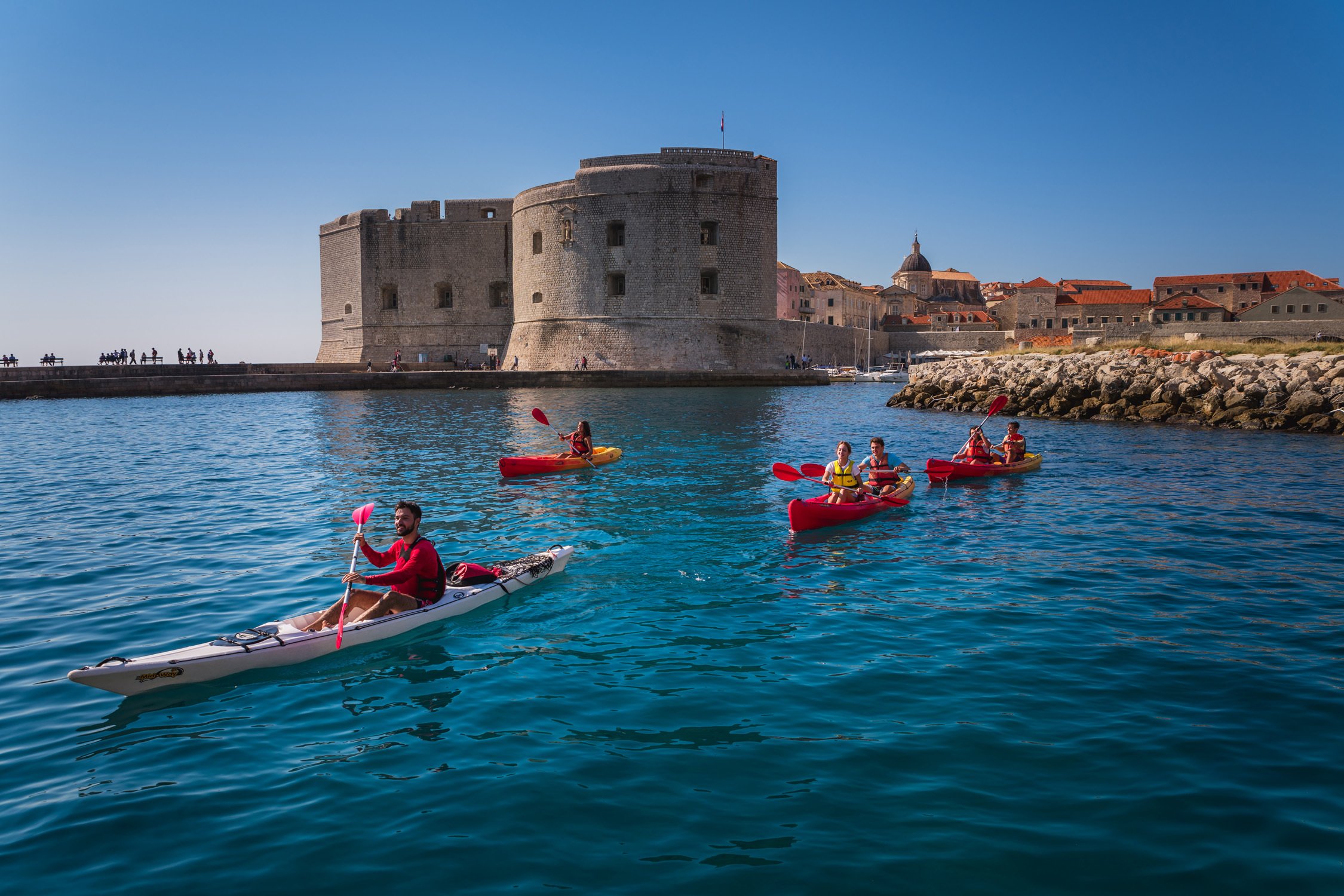
Paddle along ancient city walls, explore a hidden cave, and snorkel in crystal-clear Adriatic waters
Reserve
2 hr
Cruise the Adriatic to stunning sea caves and pristine beaches on this unforgettable island-hopping excursion
ReservePrices from verified partners. Availability updates in real time at checkout. Free cancellation policies apply where shown.
The landmarks, rooms, and views travelers on this tour remember — all visible on a single visit.
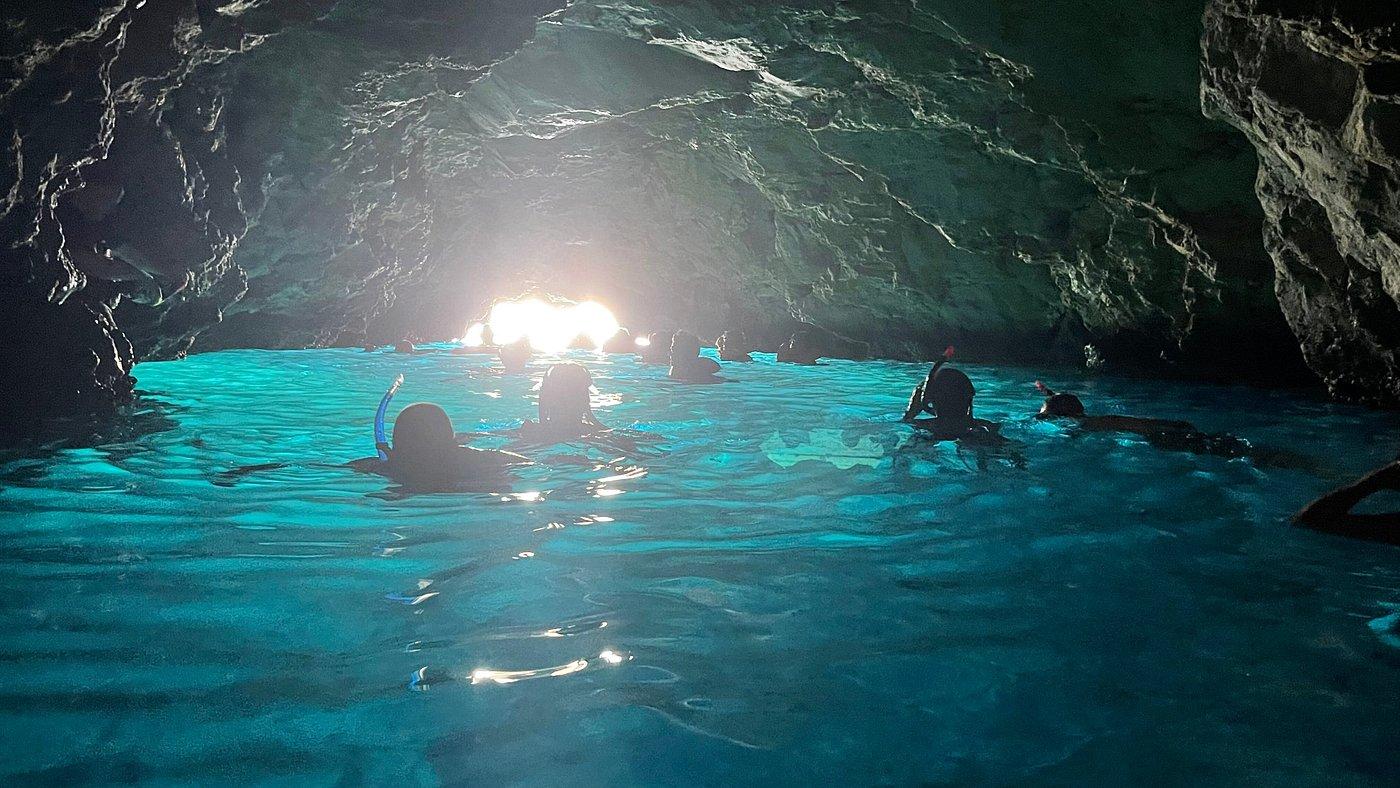
A natural limestone grotto known for its glowing azure water refraction
Blue Cave reflection
sunj beach aerial
elaphiti islands cliffs
These experiences serve different travel goals; the local Koločep site offers convenience for half-day itineraries, while the Biševo destination is for those seeking a full-day Adriatic landmark adventure.
| Feature | Top pick Koločep Blue Cave | Biševo Blue Cave |
|---|---|---|
Travel Distance from Dubrovnik |
Short boat ride (5 nm) | Long voyage (50+ nm) |
Average Total Tour Duration |
3–4 hours | 8–10 hours |
Accessibility (Weather Sensitivity) |
High reliability due to proximity | Frequently canceled due to open sea |
Suitability for Half-Day Trips |
Ideal; fits morning or afternoon | Not suitable; requires full day commitment |
Primary Visual Difference |
Compact limestone cavern with light refraction | Large, cathedral-like chamber with intense blue glow |
| See tickets → |
Verdict: Choose the dubrovnik blue cave & sunj beach boat tour when time is limited, or select the Biševo excursion if you are booking dubrovnik blue cave & sunj beach boat tour tickets for a more extensive maritime expedition, noting that the latter is more sensitive to sea conditions.
Choose your ticket, select your date, and reserve in under two minutes. Secure checkout handled by our verified partner.
Instant confirmation by email, with a mobile voucher you can save offline. No printing, no queuing at a collection desk.
Arrive at the entrance, show your voucher on your phone, and walk in. Most tickets include priority or skip-the-line access.
Practical details for your visit straight from our verified partners — hours, access, rules, and how to get there.
Dubrovnik, Croatia
Main harbor for most boat departures
The primary mode of transport is via organized excursion boat from Gruž Port.
Land taxi to the port for boat departure.
Wear swimwear, light clothing, and sturdy sandals suitable for walking on rocky island paths. Bring a light windbreaker as sea breezes can be cool even on sunny days.
Space on boats for a dubrovnik blue cave & sunj beach boat tour is limited, so bring only small dry bags. Large suitcases are not permitted on deck.
Underwater cameras are ideal for capturing the unique light refraction inside the cave. Ensure your device is secured with a waterproof leash.
Access to the Koločep Blue Cave involves transferring from a boat into smaller vessels or swimming, which is not suitable for guests with limited mobility. The terrain on Koločep Island is uneven.
Protect mobile devices in waterproof cases during the boat transit. Signal can be intermittent near the limestone cliffs of the island.
The dubrovnik blue cave & sunj beach boat tour is suitable for children who are comfortable with swimming in open water. Parents must supervise minors at all times during island stops.
Carry sufficient water and snacks, as facilities on the remote sides of the Elaphiti Islands are limited. Dispose of all waste properly to protect the marine ecosystem.
Animals are generally not permitted on shared boat tours due to space constraints and safety regulations. Private boat charters may have different policies.
The dubrovnik blue cave & sunj beach boat tour provides a glimpse into the geology of the Elaphiti archipelago. Always follow the skipper's instructions regarding sea conditions.
Best time to go, insider tips, nearby landmarks, and the cancellation fine print — flip through to skim what matters to you.
How crowds, weather, and events shift across the year.
Mild temperatures and thinner crowds allow for a peaceful experience during this Dalmatian coastal trip.
High temperatures make the cool cave waters refreshing, though boat traffic increases significantly in July and August.
Warm seas and fewer visitors make September an ideal time for a dubrovnik blue cave & sunj beach boat tour.
Small details that turn a good visit into a great one.
Visit the cave between 09:30–11:30 for the best illumination.
Confirm your tour operator provides snorkel gear before booking.
Wear water shoes to protect your feet from sharp limestone rocks.
Bring at least two liters of water per person for the day.
Avoid using non-reef-safe sunscreen to help preserve the cave environment.
Non-bookable sights within a short walk — free to visit, easy to pair.
A sandy stretch on Lopud Island perfect for wading and sunbathing.
A historic beacon marking the entrance to the Elaphiti channel.
A quiet settlement on Koločep featuring traditional stone architecture.
Flexible, no hidden fees.
Full refunds are typically available for cancellations made at least 24 hours before the scheduled departure. The entrance fee to this attraction is 0 EUR.
Hand-picked options within walking distance — pick a district for vibe, or a specific hotel for convenience.
Secluded resort on the island for a quiet stay.
Various boutique options near the sandy coastline.
Extensive range of hotels near the ferry port.
The Blue Cave on Koločep's southern coast remains accessible only by boat, its submerged entrance carved by millennia of wave action into Jurassic limestone. Sunlight refracts through the underwater opening between 9:30 and noon, transforming the grotto's interior into a luminous chamber of cobalt and turquoise—a phenomenon dependent on cloudless skies and calm Adriatic swells. The cave stretches twelve metres into the cliff face, its walls encrusted with calcite formations that amplify the refracted light. Geologists trace the cavern's formation to the Cretaceous period, when tectonic shifts fractured the island's sedimentary base and coastal erosion began its slow excavation. Koločep anchors the Elaphiti archipelago, a fourteen-island chain scattered northwest of Dubrovnik's Old Port. Medieval Ragusan merchants used the islands as quarantine stations during plague outbreaks; by the fifteenth century, aristocratic families maintained summer estates among the Aleppo pines and olive groves. Koločep's name derives from the Greek Kalamota—'reeds'—a reference to the freshwater springs that once sustained agricultural settlements. The island's resident population today numbers fewer than one hundred and sixty, concentrated in two coastal hamlets. No vehicles traverse its paths; stone trails connect the harbour to abandoned chapels and terraced vineyards reclaimed by maquis scrub. Sunj Beach occupies a crescent inlet on Lopud Island, the Elaphiti chain's second member. Its sixty-metre stretch of fine sand remains one of the Adriatic's rare natural beaches—most of the Dalmatian coast terminates in karst pebble or limestone shelf. Franciscan monks cultivated the hinterland behind Sunj from the fourteenth century, planting citrus orchards irrigated by hillside springs. The sandy substrate originated from disintegrated shell deposits, carried shoreward by prevailing currents and trapped in the bay's sheltered geometry. Water depth remains shallow—under two metres—for thirty metres offshore, creating conditions favoured by families and novice swimmers. Speedboat excursions from Dubrovnik typically combine the Blue Cave with Sunj Beach and additional Elaphiti stops, spanning four to six hours. Operators depart from the Old Port's eastern quays, navigating northwest past Lokrum Island and Cavtat's limestone headlands. Most itineraries include swim stops at lesser-known coves, snorkelling equipment, and onboard refreshments. The Blue Cave itself permits fifteen-minute visits; guides coordinate entry windows to avoid congestion inside the narrow chamber. September offers favourable conditions—moderate temperatures, reduced maritime traffic, and stable light angles—though the optimal blue glow depends on real-time weather variables beyond any operator's control.
"Sunlight refracts through the underwater opening between 9:30 and noon, transforming the grotto's interior into a luminous chamber of cobalt and turquoise."
A step-by-step walkthrough of the visit — what you'll see, how long each stage takes, and the details that matter.
You board a rigid-hull speedboat at Dubrovnik's Old Port by 9:00, the Dinaric Alps rising behind the stone ramparts as your captain throttles northwest into open water. Forty minutes pass before Koločep's silhouette resolves—low scrub, rocky shoreline, the flash of a whitewashed cottage. The boat slows as you approach the southern cliffs, then noses into a sea-level aperture barely visible against the limestone. Inside, you remove your sunglasses. The water beneath the hull glows electric blue, refracted sunlight painting the cave walls in shifting bands of aquamarine. You slip overboard, the cold shock immediate, and float in the luminous pool while the captain manoeuvres the boat back toward daylight. Twenty minutes later you're anchored off Sunj Beach, wading through thigh-deep shallows toward the sand. The beach curves in a protected arc, pine shade at the inland edge, a beach bar offering cold drinks under a pergola. You spread a towel, swim in the tepid bay, dry in the September sun. By noon the boat resumes, rounding Lopud's western cape and threading between smaller islands—Ruda, Olipa—each a study in karst geology and abandoned terraces. Your guide points out a monastery ruin, a collapsed stone pier. You return to Dubrovnik's harbour by 14:00, salt-crusted and sun-tired, the city walls backlit against the afternoon glare.
The attraction is open daily from 08:00–18:00. The cave is a natural site accessible within these hours depending on boat operator schedules.
Due to the nature of boat access and rocky entries, the Koločep Blue Cave is not wheelchair accessible.
The entrance fee is 0 EUR, as it is a natural landmark accessible by private or group boat.
Yes, guests are encouraged to bring their own snacks and water, as island facilities are limited. Please ensure you carry all trash away with you.
The optimal time to visit for the best blue light effect is between 09:30–11:30 when the sun is at the right angle.
There are no formal locker facilities at the cave; please keep valuables secure on your boat or in a waterproof dry bag.
Yes, children are welcome on a dubrovnik blue cave & sunj beach boat tour, provided they are strong swimmers and supervised by parents.
Operators will typically offer a reschedule or refund if the sea conditions make the trip unsafe.
The cave itself is free to enter, but you must book a dubrovnik blue cave & sunj beach boat tour to reach it.
The cave is located on the southern coast of Koločep Island, approximately 30-45 minutes by boat from Dubrovnik.